
01 / Start here
Start here.
As of 3 November 2026, the UK FCDO advises against all travel to Russia. The security situation, transport and consular assistance may change. Check the advice of your own government before any decision; this article records a past journey and is not an endorsement of travel against official warnings. UK travel advice · Polish travel advice.
02 / The mountain
The mountain.
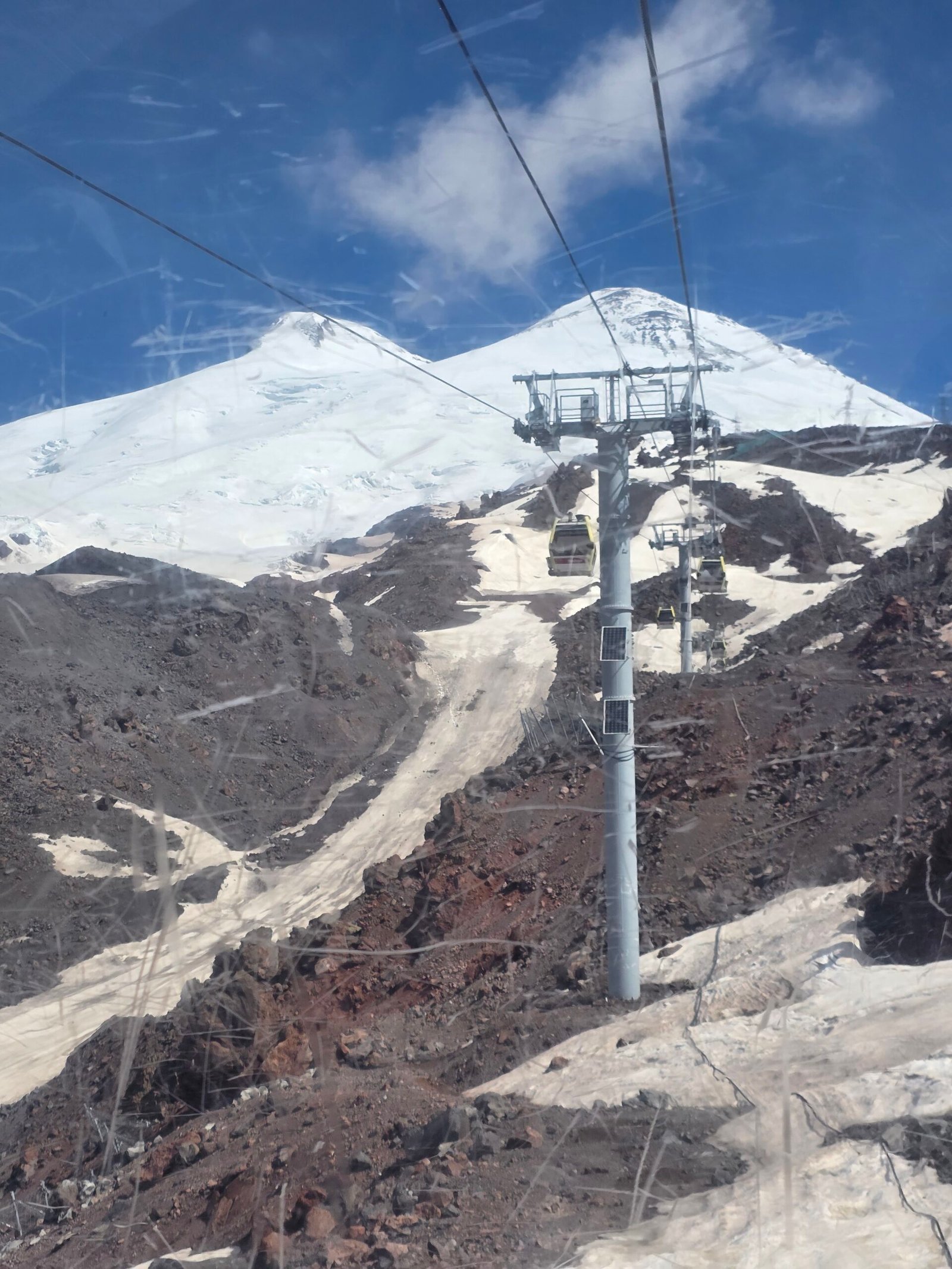
Mount Elbrus is a glaciated volcanic mountain in the Caucasus in Russia. Its western summit is commonly given as 5,642 m. It is considered Europe’s highest mountain when the Caucasus watershed is used as the Europe–Asia boundary.
03 / Current travel warnings
Current travel warnings.
Read your government’s latest advice, including regional warnings, security, entry and the possibility of limited consular assistance. UK advice warns of security incidents and disruption to aviation. Do not assume my 2025 route remains available or appropriate. FCDO safety information.
04 / Insurance and assistance
Insurance and assistance.
Travel against government advice may invalidate insurance. Check exclusions for Russia, altitude, glacier travel and rescue directly with your insurer, including whether assistance is actually available. A policy document alone does not guarantee evacuation.
05 / Southern approach
Southern approach.
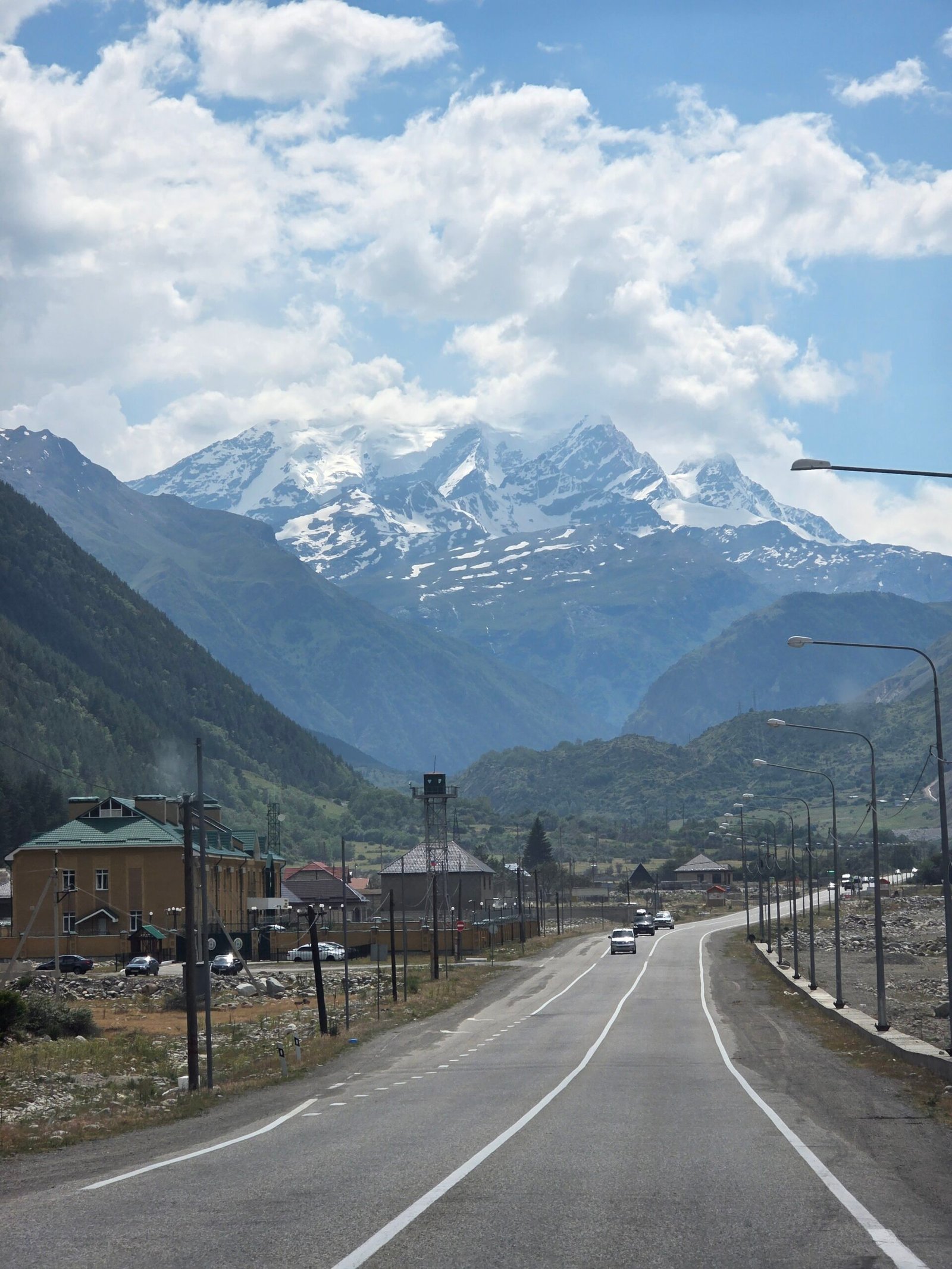
A common southern approach begins in the Baksan valley and uses lift infrastructure before reaching high snow and ice. Operations, routes and access can change. Discuss present conditions and permissions with a qualified local professional rather than following an old track.
06 / Lifts and snowcats
Lifts and snowcats.
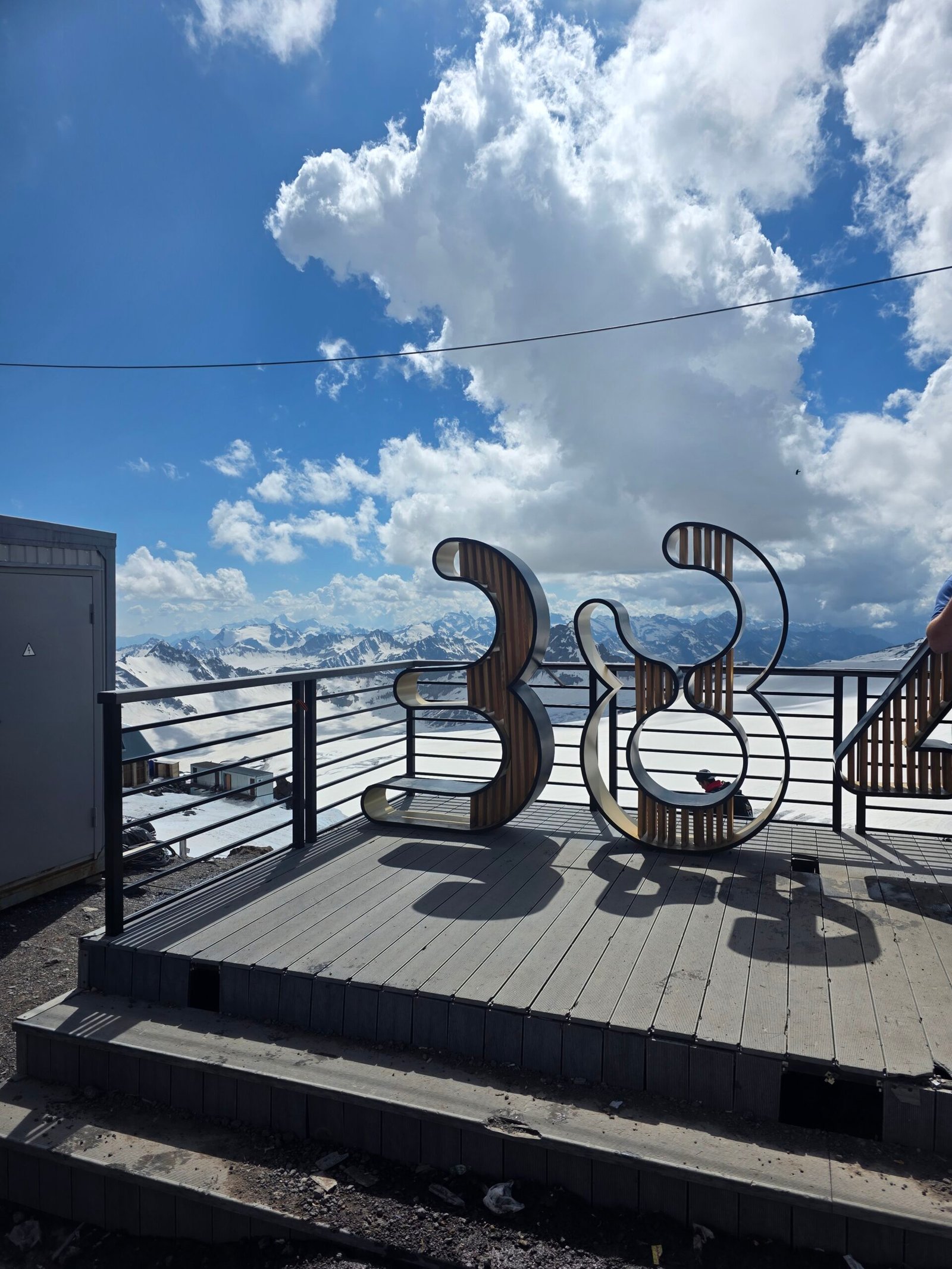
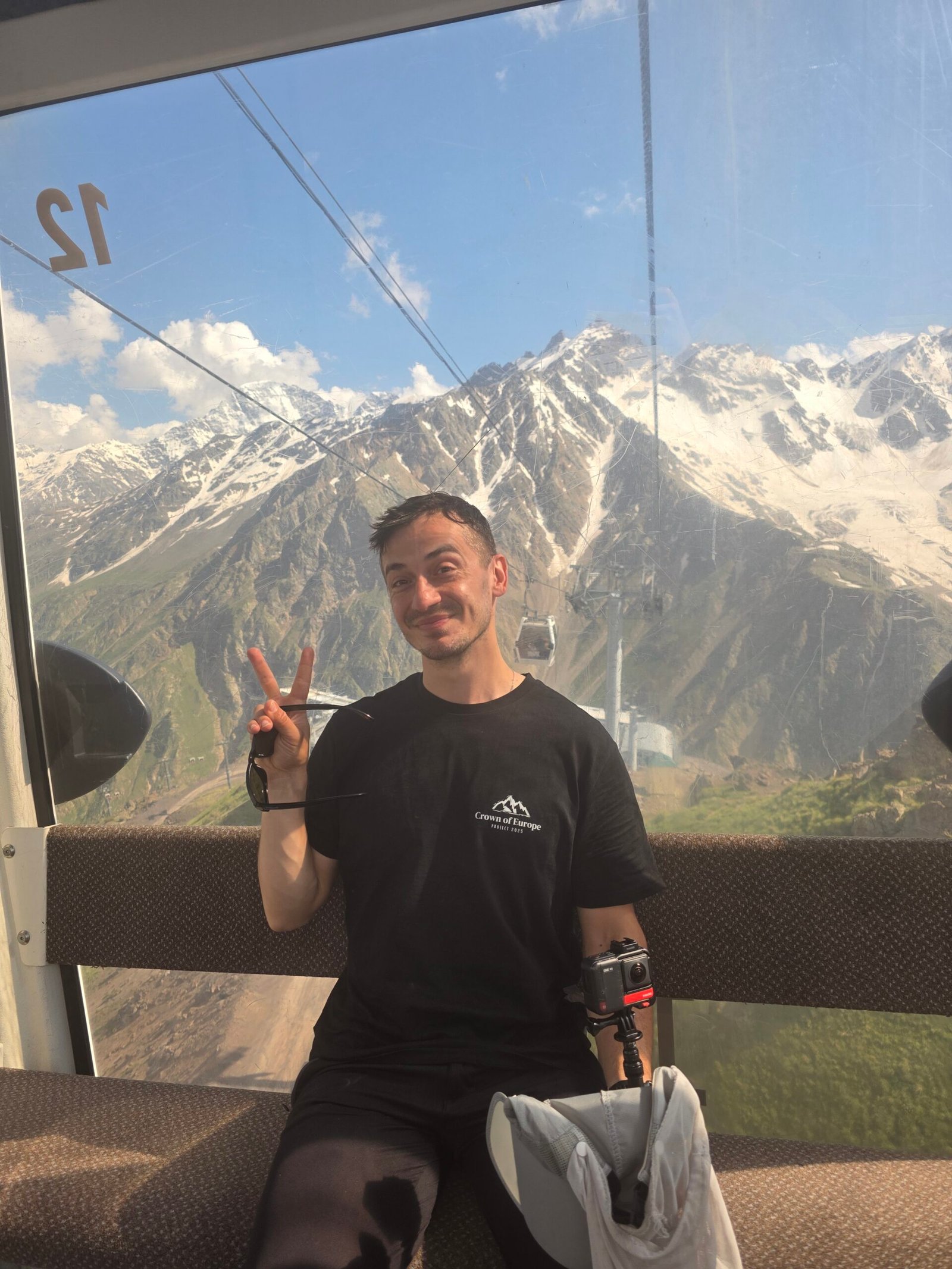
My 2025 ascent included a cable car and a snowcat before walking. Mechanical assistance reduces some walking distance but does not provide acclimatisation, remove glacier hazards or guarantee a safe descent.
07 / Glacier hazards
Glacier hazards.
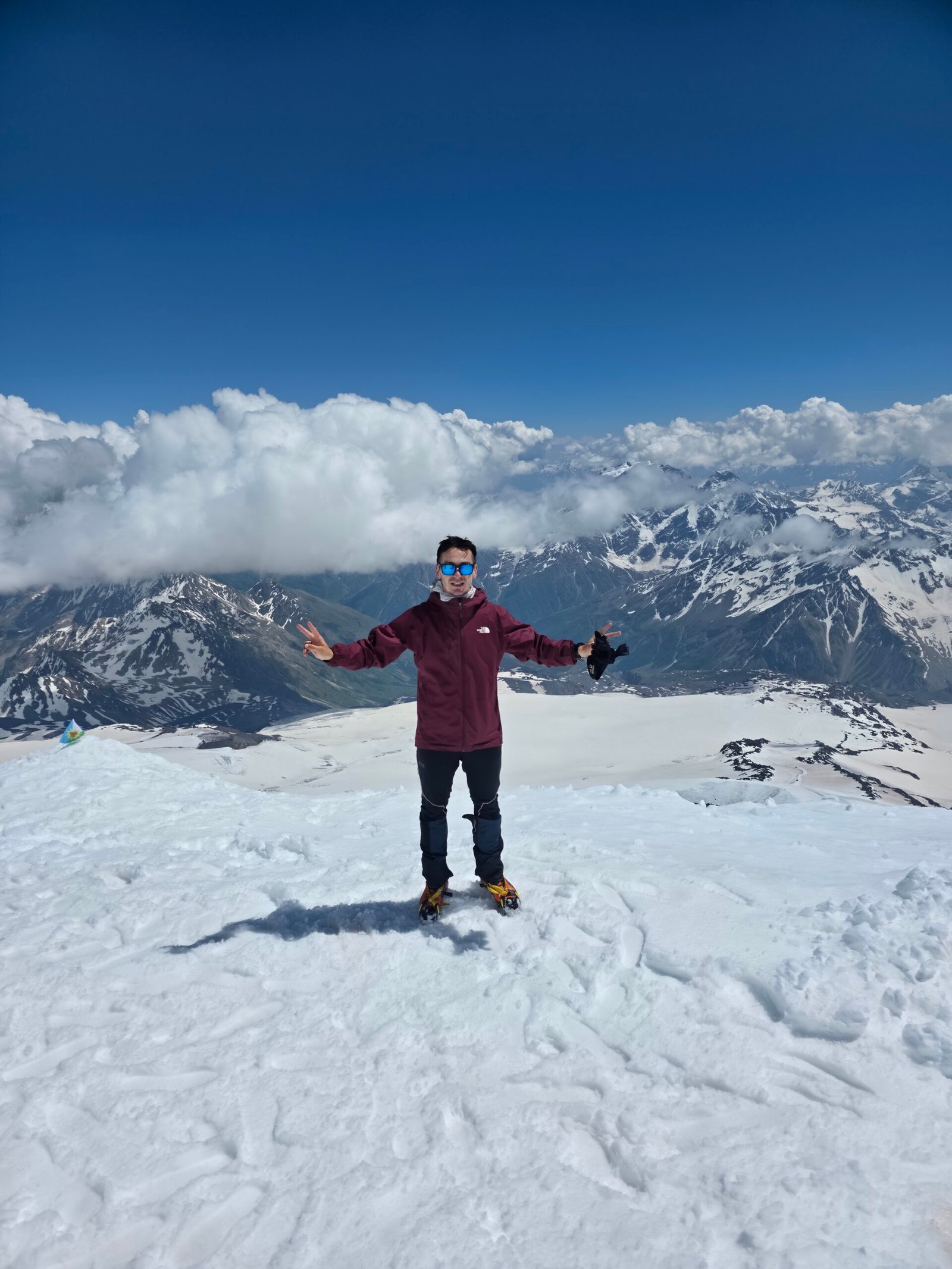
Crevasses may be concealed by snow. Steep ice, whiteout, wind and cold can make navigation and rescue difficult. Glacier travel requires appropriate training, equipment and a competent team; seek qualified guidance.

08 / Choosing a guide
Choosing a guide.
Discuss qualifications, glacier rescue, group size, acclimatisation, turnaround criteria, weather, insurance and cancellation before making any plans. A guide cannot remove objective hazards or override government travel advice.
09 / Altitude illness
Altitude illness.
At 5,642 m, altitude illness can affect even fit climbers. Headache, nausea and unusual fatigue require attention. Tell your team, do not ascend higher with symptoms, and descend if symptoms worsen. CDC altitude guidance.
10 / Serious symptoms
Serious symptoms.
Confusion, loss of coordination, breathlessness at rest or worsening symptoms can indicate a life-threatening emergency. Seek urgent help and descend as quickly and safely as possible; supplemental oxygen may be needed. CDC guidance.
11 / Acclimatisation
Acclimatisation.
Build a gradual ascent and sufficient time at altitude into any plan with a qualified guide. Rapid transport to high elevation does not acclimatise you. The CDC recommends staged ascent and extra nights at intermediate elevations. CDC advice.
12 / Health before travel
Health before travel.
Discuss personal medical conditions, previous altitude illness and any preventive medication with a clinician familiar with high-altitude medicine. Medication is not a substitute for acclimatisation or descent. CDC travel health.
13 / Weather and visibility
Weather and visibility.
High winds, intense cold and sudden whiteout can make the summit slopes dangerous in any season. Check current mountain forecasts with a local professional and be prepared to cancel or turn back.
14 / Season and conditions
Season and conditions.
Summer does not guarantee safe weather or a simple route. Snow, exposed ice, crevasses, lift operations and local restrictions change. Do not use a previous season as evidence for present conditions.
15 / Fitness and skills
Fitness and skills.
Endurance helps, but it does not replace acclimatisation, glacier skills or sound judgement. Train for long days carrying a pack and practise crampon, ice-axe and team rescue skills with qualified instructors.
16 / Equipment
Equipment.
Discuss the list with your guide: suitable boots and crampons, ice axe, harness, rope and crevasse-rescue equipment, insulation, waterproofs, gloves, eye and sun protection, navigation and a headlamp. Know how to use all equipment.
17 / Food and water
Food and water.
Carry enough water and food plus a reserve for delays. On my ascent I lost my last bottle and ate snow; this was a difficult mistake, not a hydration plan. Eating snow can cool the body and does not replace a safe water supply.
18 / Turning back
Turning back.
Agree a turnaround time and weather limits before leaving, and reassess sooner if anyone is unwell or the route changes. Keep enough energy and time for the descent; a summit is only halfway.
20 / Rescue plan
Rescue plan.
Know the locally working emergency contact and how to give a precise position. Rescue may be delayed by weather, terrain, security or limited resources. A glacier party must be able to respond immediately to an incident.
21 / Other routes
Other routes.
Northern and other approaches differ significantly in infrastructure, logistics and hazards. They are not simple alternatives to poor conditions on the southern route; assess any route with qualified professionals and current official guidance.
22 / Travel and borders
Travel and borders.
Visa, border, flight and payment arrangements can change quickly. Government warnings and restrictions must come first. My historical journey through Georgia and Russia is not a current travel recommendation. Current travel advice.
23 / Money and logistics
Money and logistics.
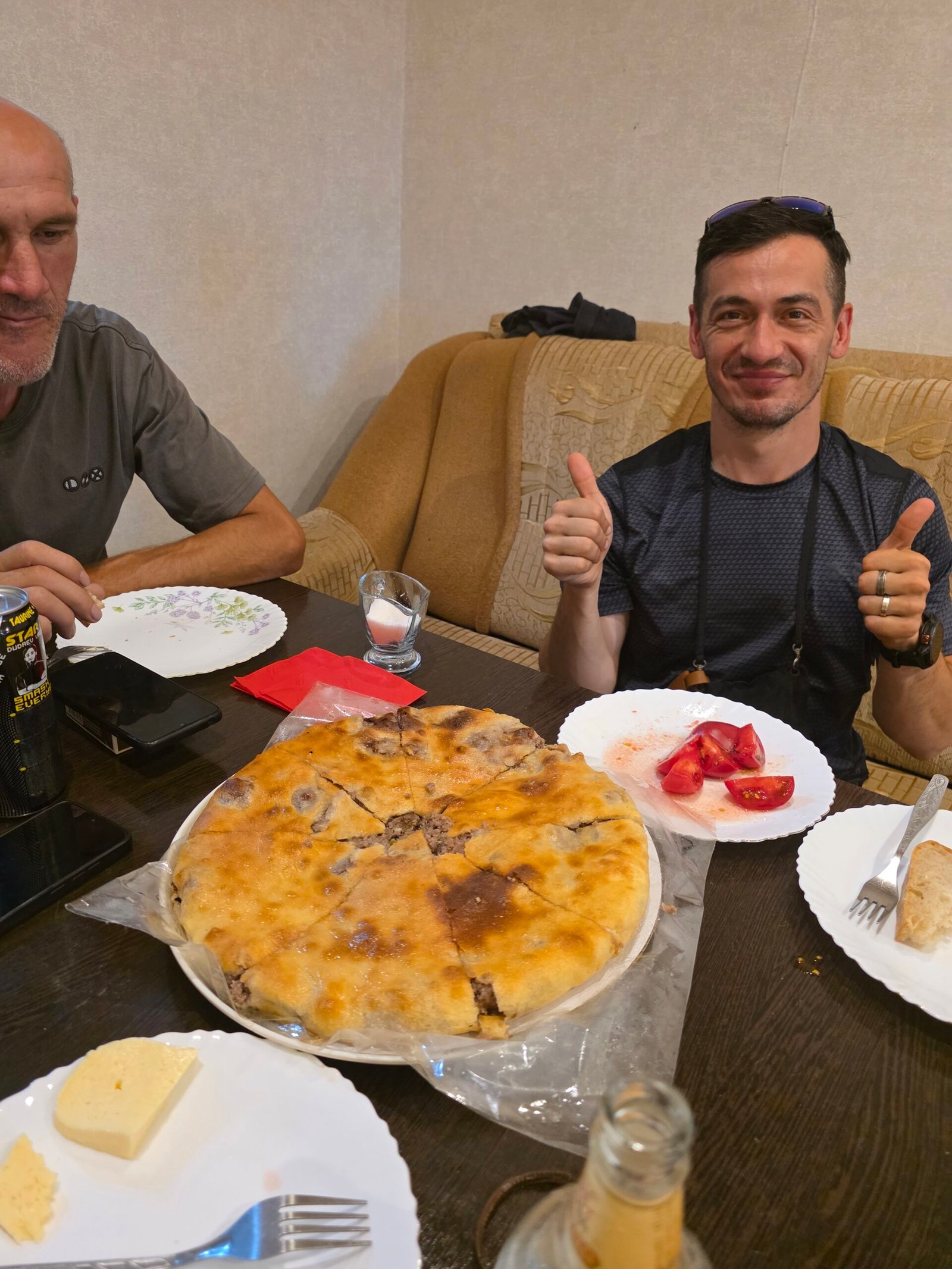
Do not assume foreign bank cards, insurance assistance or familiar booking services will work. Check official advice and providers directly. The budget tool below accepts your own estimates and does not provide live prices.
24 / Accommodation
Accommodation.
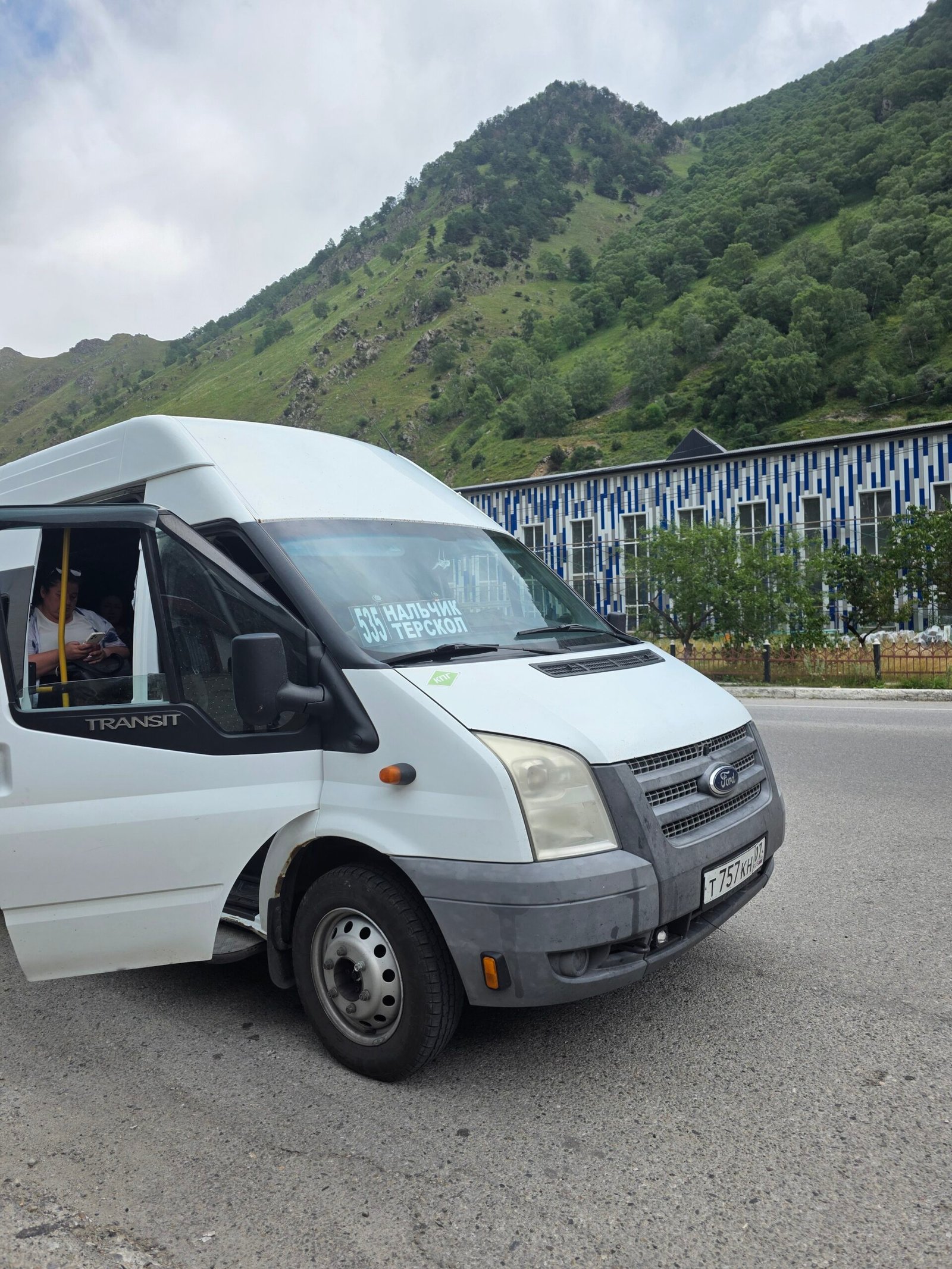
My 2025 trip included a night in Terskol after arriving too late for the lift. Accommodation and mountain services can change; check current availability, conditions and advice before any planning.
25 / Respect the mountain
Respect the mountain.
Follow local rules, minimise waste and carry rubbish down. Avoid damaging the glacier environment and treat other climbers and local residents respectfully.
26 / My first ascent on video
My first ascent on video.
The video below is from my first Elbrus climb, roughly a decade before my 2025 return. It is a personal record from an earlier trip; it does not describe current access, weather or safety conditions.
27 / Time and flexibility
Time and flexibility.
Any responsible high-altitude plan needs prior preparation, staged acclimatisation, a conservative weather window and time for descent or cancellation. My fast 2025 ascent is a personal account, not a recommended itinerary.
28 / Costs
Costs.
Possible costs include travel, accommodation, guiding, equipment, food and rescue cover. Prices and availability change; enter your own estimates in Russian rubles below.
28 / Saved checklist
Understand the risks and prepare.
Saved only in this browser. As of 3 November 2026, the UK FCDO advises against all travel to Russia. Elbrus is a serious high-altitude glacier climb; see the current official advice and safety guidance below.
29 / Cost calculator
Use your own quotes.
Plan in Russian rubles.
Enter your own current prices in RUB. Vehicle and main travel are shared; the other amounts are per person. Include any park, guide and transfer quotes under the appropriate fields. Blank entries count as zero.
My story, FAQ & sources
Back to Elbrus.
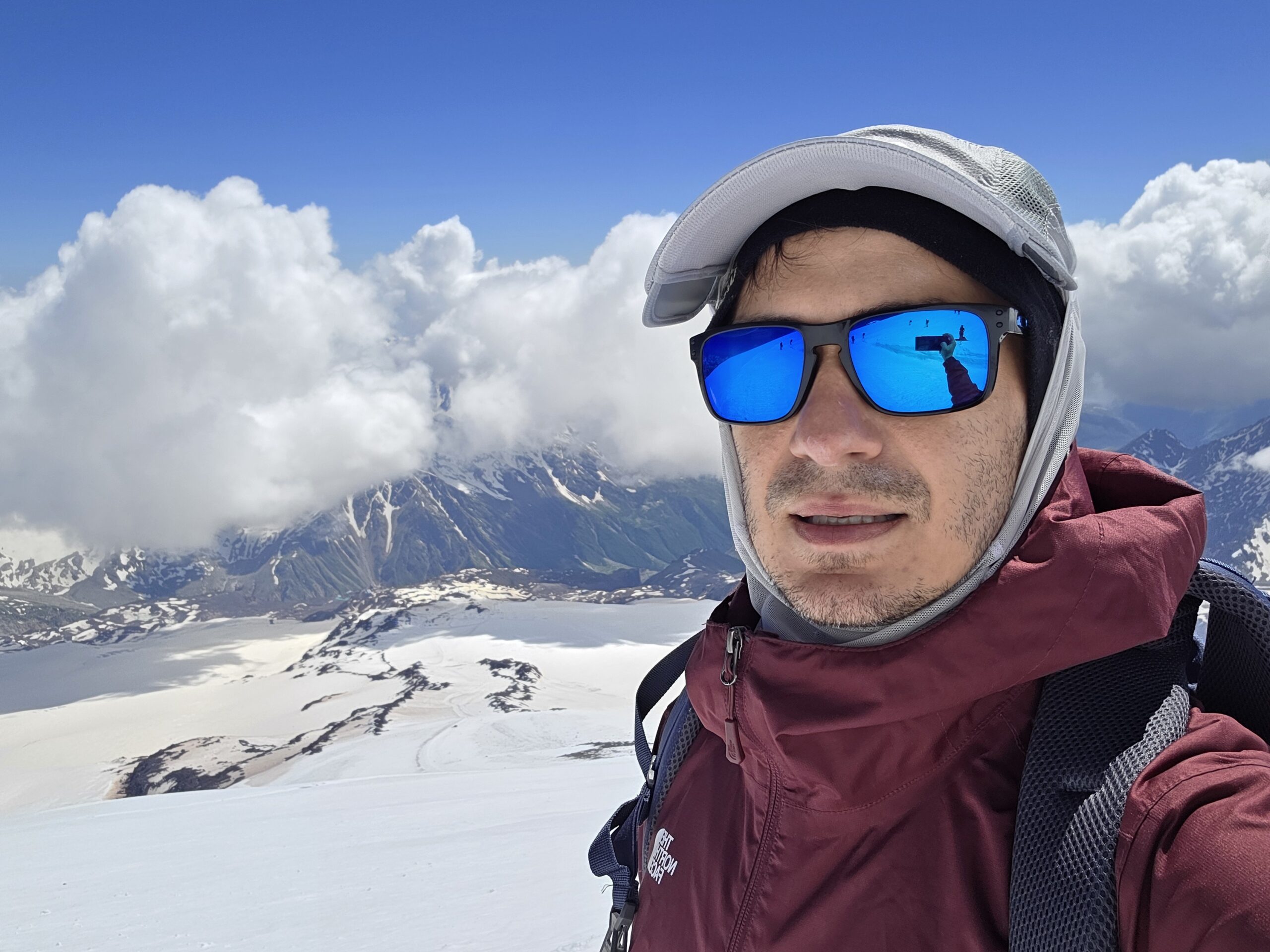
On 11 July 2025 I returned to Elbrus, years after my first ascent. The day before, I had arrived too late for the lift and stayed in Terskol.
The next morning I took the cable car and then a snowcat to around 5,000 metres, continuing on foot. My diary records reaching the summit around 12:12. The climb was a powerful return to a mountain that had already become part of my story.
I lost my final water bottle and ate snow; looking back, that was a serious hydration mistake. My personal speed, transport and solo ascent are not a safe template for others. Acclimatisation, a qualified team, sufficient water and the option to turn back matter.
After descending I returned toward Terskol. The earlier video below preserves a different chapter of my relationship with this mountain.
My first Elbrus ascent on video
Watch my first Elbrus ascent on YouTube
Frequently asked questions
Is it safe to travel to Elbrus now?
As of 3 November 2026 the UK FCDO advises against all travel to Russia. Check your own government’s latest advice.
Where is Elbrus?
In the Caucasus in Russia.
How high is the western summit?
It is commonly given as 5,642 m.
Is it the highest mountain in Europe?
It is when the Europe–Asia boundary is drawn along the Caucasus watershed; definitions vary.
Is Elbrus a hike?
It is a serious high-altitude glacier climb requiring appropriate skills and preparation.
Do I need a guide?
A qualified guide is appropriate unless your team has the necessary glacier, rescue and high-altitude experience; a guide cannot remove all risks.
Does a cable car replace acclimatisation?
No. Rapid ascent can increase altitude-illness risk.
Does a snowcat make the mountain safe?
No. Altitude, weather, crevasses and descent remain serious hazards.
What are signs of altitude illness?
Headache, nausea and unusual fatigue are warning signs; confusion, poor coordination or breathlessness at rest require urgent action.
What if symptoms worsen?
Stop ascending, seek help and descend safely; severe symptoms require urgent assistance.
Can fit people get altitude illness?
Yes. Fitness does not prevent altitude illness.
What technical skills are needed?
Glacier travel, crampon and ice-axe use, navigation and crevasse rescue, matched to conditions.
What should I carry?
Discuss technical gear, warm layers, navigation, food and sufficient water with a qualified guide.
Is eating snow a water strategy?
No. Carry sufficient water and a reserve; eating snow can cool the body.
Are lift and snowcat services guaranteed?
No. Operations depend on current conditions and other restrictions.
Does travel insurance cover Russia and rescue?
Not necessarily. Check territorial, travel-advice, altitude and rescue exclusions directly.
How long should acclimatisation take?
It varies by individual and itinerary; plan gradual ascent and extra time with an experienced guide and medical advice.
When did Adrian return?
He climbed on 11 July 2025.
When was the video filmed?
It shows his earlier first ascent, approximately a decade before the 2025 return; the exact year is not confirmed.
Can I copy Adrian’s ascent time?
No. His speed and solo ascent are personal history, not a recommended plan.
Sources and current information
Research checked 3 November 2026. Conditions, access and prices can change.
- UK FCDO: Russia travel advice ↗ — Current advice against all travel
- UK FCDO: Russia safety and security ↗ — Security, flights and regional information
- Polish Ministry of Foreign Affairs: Russia ↗ — Advice for Polish nationals
- CDC Yellow Book: altitude illness ↗ — Acclimatisation, symptoms and descent
- CDC: travel to high altitudes ↗ — Pre-travel health and altitude illness